Roofing Services Provided
John’s Roofing replaces roofs using better materials, proper details, upgraded fasteners, and careful inspection. John personally oversees and inspects every project.

Tile Roof Replacement
Tile Roof Replacement requires a higher level of expertise. There are many more details that need to performed correctly to build a tile roof capable of withstanding storms and lasting up to 40 years.

Shingle Roof Replacement
A shingle roof is only as good as the details beneath and around it: the deck preparation, underlayment, flashings, fasteners, ventilation, and final inspection.
Slate and Copper
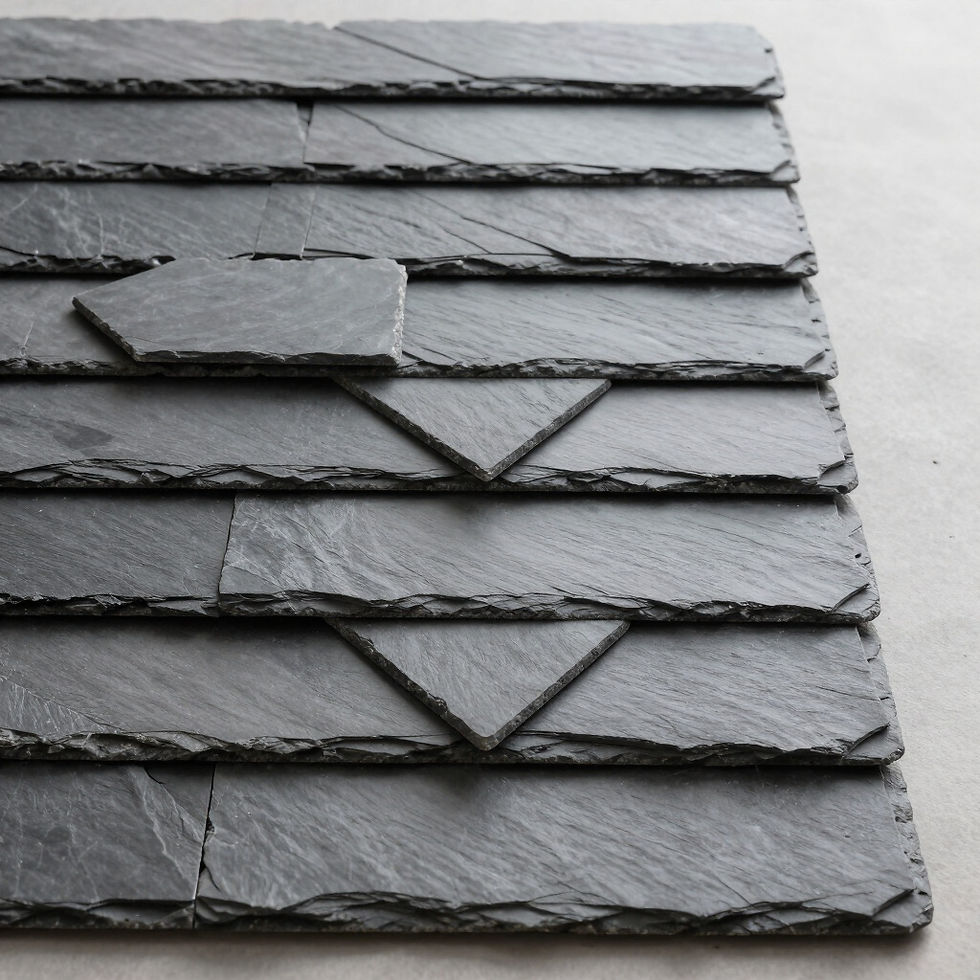
Slate and copper roofing are premium materials that require experience, patience, and proper detailing.
Stone Coated Steel Roofing
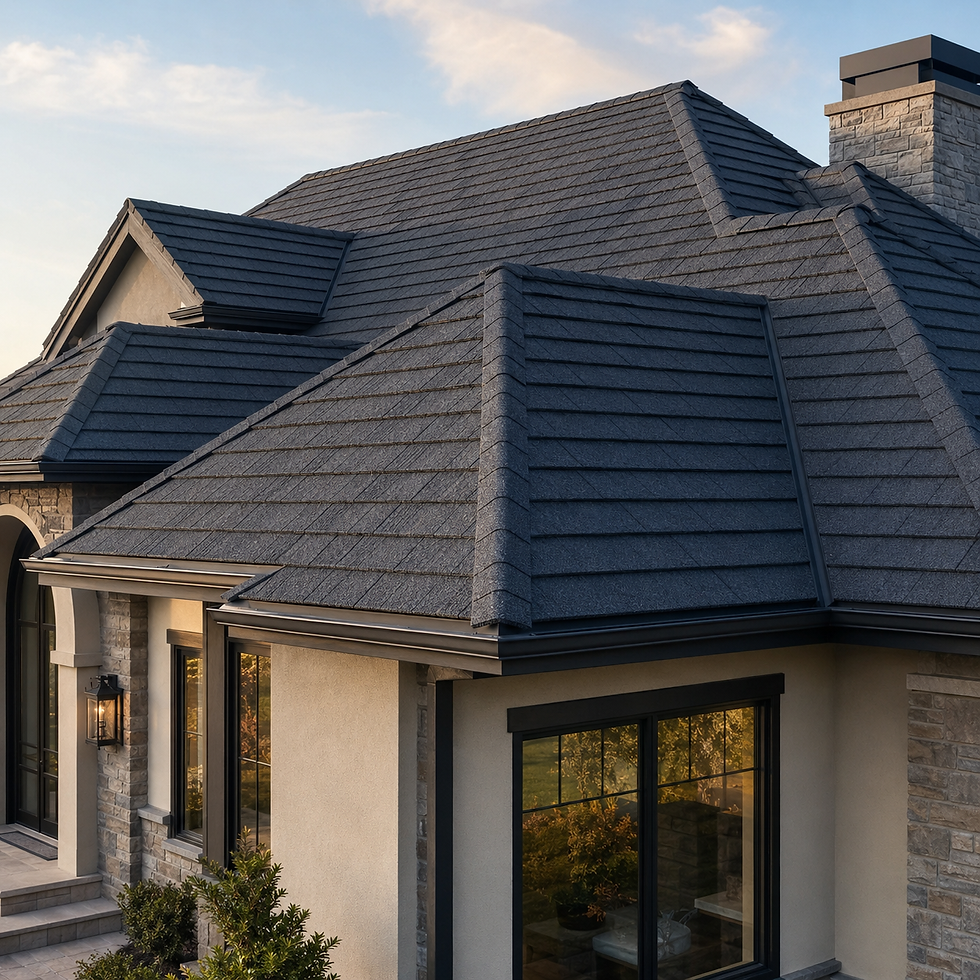
Stone coated steel roofing can be a strong, attractive option for homeowners who want the look of traditional roofing with the strength of steel.
It is especially worth considering when impact resistance, wind performance, durability, and appearance all matter.
John's Roofing Services
John’s Roofing replaces roofs using better materials, proper details, upgraded fasteners, and careful
inspection. John personally oversees and inspects every project.
Many leaks are not solved by guessing. John’s Roofing specializes in finding and correcting the real source of roof leaks, especially when previous repairs have failed.
Tile roofs are a beautiful decorative cover for the real roof underneath.
A proper tile roof replacement is not just about the tile you see from the ground. The real roof is the waterproofing system beneath the tile, the flashings, the underlayment, the fastening method, the ventilation, and the details that protect the home long after the tile is installed.
Built For Long-Term Performance
John’s Roofing approaches tile roof replacement as a complete roofing system, not just a tile installation.
Proper tile roof replacement requires:
Correct underlayment installation
Proper flashings
Proper eave and edge details
Correct fastening or adhesive system
Proper attic ventilation
Attention to valleys, walls, penetrations, and transitions
Final inspection by John
Details Matter
Many tile roof leaks come from poor details, not from the tile itself. Flashings, valleys, wall intersections, vent penetrations, and roof edges must be installed correctly.
John’s Roofing focuses on the details that prevent leaks before they happen.
Foam Roof Tile Adhesive
Foam roof tile adhesive is a correct and acceptable installation method when installed according to approved standards. It is accepted under Miami-Dade and Florida Building Commission approvals when used properly.
Ventilation With Tile Roofs
Tile roofs still need proper attic ventilation. John’s Roofing calculates intake and exhaust needs and
upgrades ventilation when needed.
O’Hagin vents can be used up high as exhaust vents and can also be installed low near the eaves as intake
vents when soffits cannot perform properly.
A shingle roof is only as good as the details beneath and around it: the deck preparation, underlayment, flashings, fasteners, ventilation, and final inspection.
Professionally Installed Shingle Roofs
John’s Roofing replaces shingle roofs with attention to the details that matter most.
Important standards include:
Proper deck preparation
Proper underlayment installation
Proper starter and edge details
Proper flashing details
Stainless steel ring-shank nails only
.032 aluminum flashings and eave drip
Proper ventilation calculation
Final inspection by John
Ventilation Matters As Much As The Shingles
A good shingle roof needs proper attic ventilation. Poor ventilation can increase attic heat, affect comfort inside the home, shorten the life of roofing materials, and put extra stress on the A/C system.
John’s Roofing calculates ventilation and upgrades vent types and quantities when needed.
Built With Better Details
Most roof leaks involve failed details: rusted nails, rusted flashings, poor penetrations, or incorrect
transitions.
John’s Roofing uses better materials and methods, including stainless steel ring-shank nails and .032
aluminum flashings and eave drip, with a focus on coastal-grade corrosion resistance.
Slate and copper roofing are premium materials that require experience, patience, and proper detailing.
Real Stone Slate
Real stone slate is one of the most durable and attractive roofing materials available when properly installed. It requires correct layout, proper fastening, careful handling, and the right details.
Slate is not a product for rushed installation. It is a specialty roof covering that deserves specialty workmanship.
Copper Roofing Details
Copper is used in high-end roofing details because of its durability, appearance, and long service life.
Copper can be used for flashings, valleys, accents, specialty roof sections, and architectural details.
Copper work must be installed correctly to look right and perform over time.
Specialty Roofing Requires Specialty Experience
Slate and copper roofing are not ordinary roof systems. They require experience, careful planning, and
respect for the materials.
John’s Roofing brings decades of roof knowledge to specialty roofing details.
Stone coated steel roofing can be a strong, attractive option for homeowners who want the look of traditional roofing with the strength of steel.
It is especially worth considering when impact resistance, wind performance, durability, and appearance all matter.
Why Stone Coated Steel
Stone coated steel roofing offers:
Strong wind-rated assembly options
Impact resistance
Long service life
Attractive profiles
Lower weight than many tile systems
A premium look when installed correctly
Higher Rated Assemblies
Some stone coated steel roof systems have assemblies tested and approved for very high wind uplift resistance. The final wind rating depends on the exact product, roof deck, fastening pattern, code approval, and installation assembly selected.
For homes where wind performance is a major concern, John’s Roofing can help identify the higher-rated approved assemblies that make sense for the roof.
Where It Makes Sense
Stone coated steel may make sense for:
Homeowners who want a strong premium roof system
Homes where wind performance is a priority
Homes where impact resistance matters
Homes along a golf course fairway where golf ball damage may be a concern
Homeowners who want a roof with a distinctive look and long-term durability
Installed Correctly
Like every roof system, stone coated steel must be installed correctly. The roof is only as strong as the approved assembly, fastening, flashings, ventilation, and workmanship behind it.
John’s Roofing focuses on installing roofing systems correctly, not just making them look good from the street.
Broken tiles, damaged roof details, visible wear, and other cosmetic problems can affect both the
appearance and performance of a roof. John’s Roofing performs careful cosmetic repairs when appropriate.
Properly balanced attic ventilation can cut A/C bills, make rooms more comfortable, and can add more
years to your A/C unit and roofing system.
Vent types and quantities are calculated and upgraded as needed, including O’Hagin vents when
appropriate.
Proper attic ventilation is one of the most overlooked parts of a roofing system.
Properly balanced attic ventilation can cut A/C bills, make rooms more comfortable, and can add more years to your A/C unit and roofing system.
John’s Roofing calculates ventilation needs and upgrades vent types and quantities when needed.
Why Ventilation Matters
Poor ventilation can trap heat and moisture in the attic. That can make the home less comfortable, increase A/C load, and shorten the life of roofing materials.
Proper ventilation requires both intake and exhaust. The system must be balanced and calculated for the roof.
Intake And Exhaust
A roof needs a properly balanced intake and exhaust system. Intake is often expected through soffit vents, but soffits do not always perform properly.
Painted aluminum soffit vents can block airflow. In some cases, upgraded High Flow soffit vents may be needed, but they can significantly raise costs.
When soffits cannot perform properly, O’Hagin vents can be installed low near the eaves as intake vents.
O’Hagin vents can also be installed high on the roof as exhaust vents.
Openings at tile roofs, eaves, and roof edges can allow rodents to enter. John’s Roofing provides rodent
blocking where needed as part of proper roof system correction.
Tile Roof Rejuvenation is a service for homeowners who want to improve the condition and appearance of
an existing tile roof without a full replacement when the roof is still a good candidate.
Typical process may include:
Inspect attic, roof, and soffits for leaks or damage
Professionally clean roof
Repair leaks if any are found
Perform cosmetic repairs
Replace broken or missing tiles
Install rodent blocking if needed
Paint flashings to match roof
Apply clear sealer or Alberson’s Tile Roof Glaze